
What Breaks When You Hire Tech #4
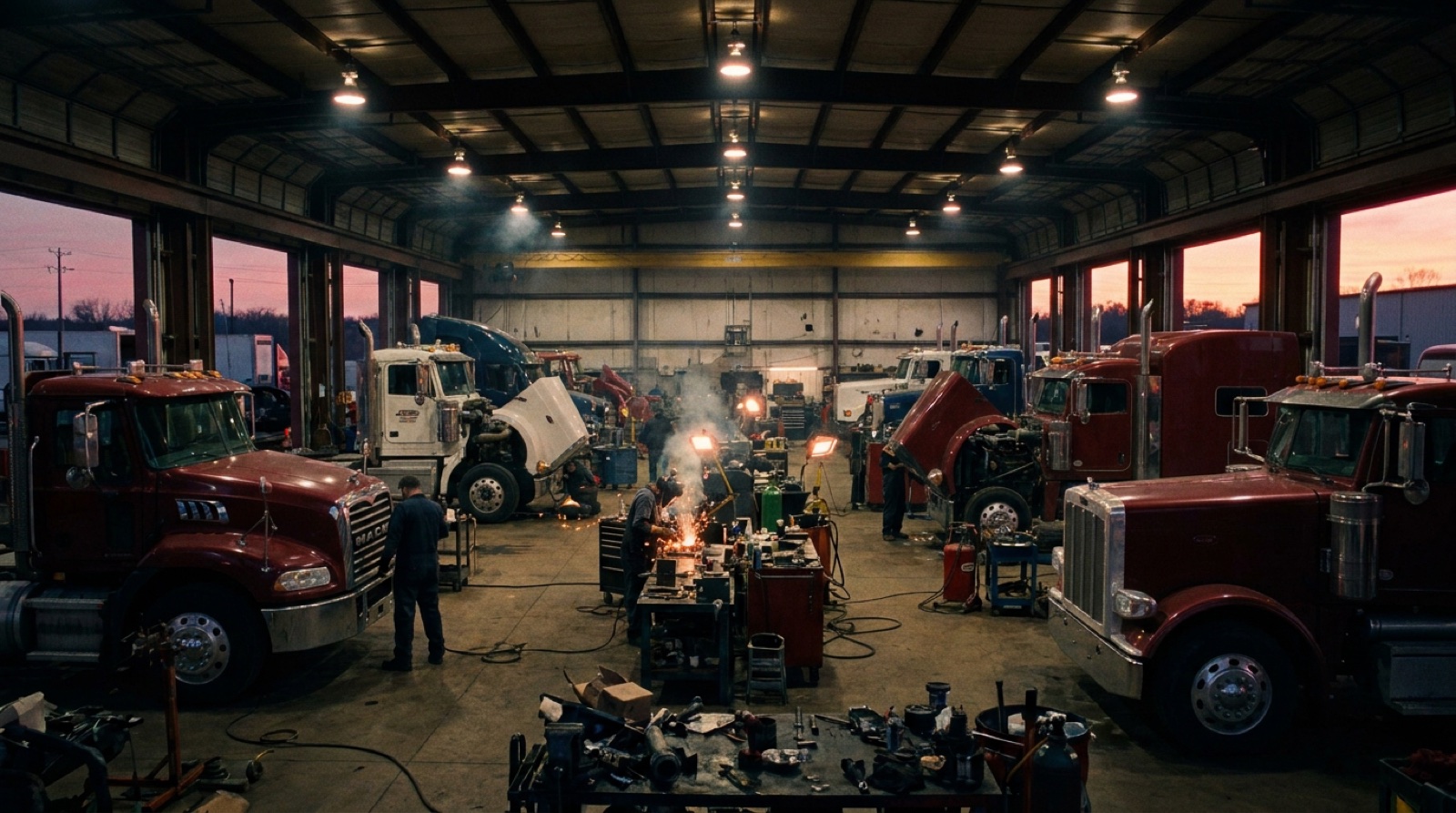
When it's just you, you know where every job stands. Add a buddy and you can still keep track. But once you hire your third or fourth technician, cracks appear fast. Here's what gives — and how to get ahead of it.
When it's just you, you know where every job stands. Add a buddy, and you can still keep track. But once you hire your third technician, cracks appear fast.
When Growth Turns Into Chaos
- Dispatching becomes disorganized.
- Everyone feels like they're doing all the work—because there's no visibility.
- Invoices pile up and cash doesn't flow.
- Customers stop getting updates.
- Calls get missed, and with them, jobs.
The result: what felt like growth suddenly feels like firefighting.
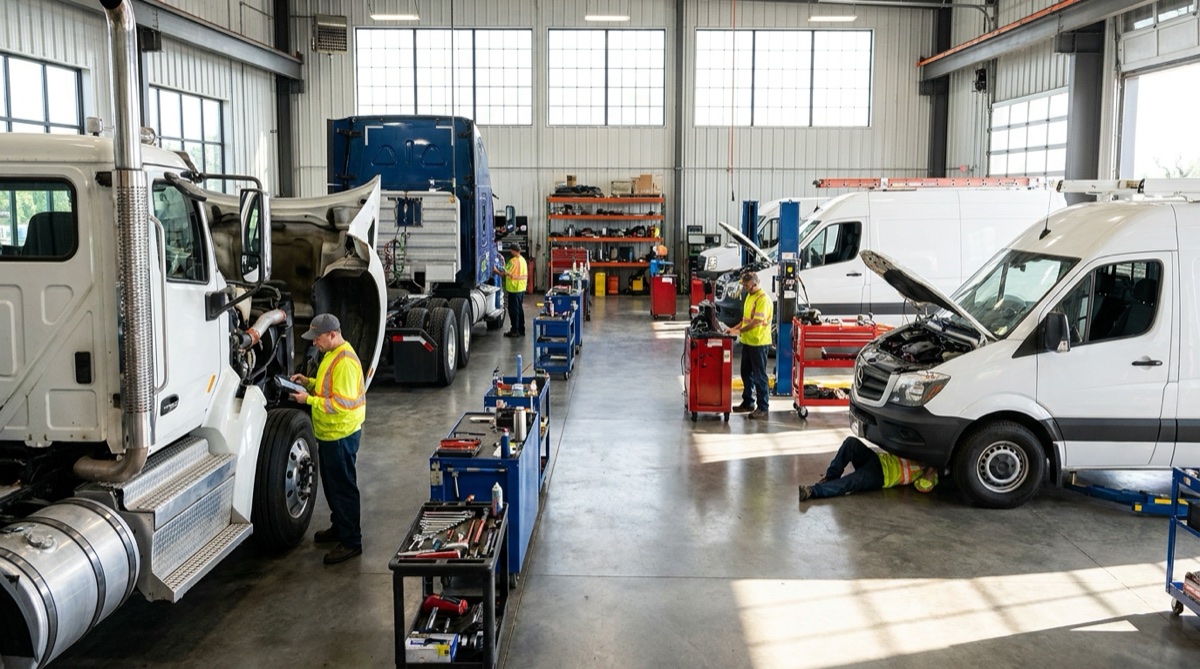
Why Shops Break at This Point
The root cause isn't bad hires or lazy techs—it's missing systems.
- Tribal knowledge stops scaling. Processes stuck in one person's head fall apart as the team grows.
- Whiteboards and sticky notes fail. Visibility disappears once more than two people are juggling jobs.
- Owners burn out. Wrenching all day and invoicing all night isn't sustainable.
- No checks and balances. Dispatch problems die before they ever reach the owner.
Most shop owners simply don't know what they don't know—until it's too late.
Who Feels the Pain First?
- Dispatchers take the first hit, juggling more calls than they can handle and missing ETAs.
- Admins spend hours retyping notes and fixing invoices.
- Owners feel stuck in endless admin instead of building the business.
- Techs get frustrated and leave for shops with better communication.
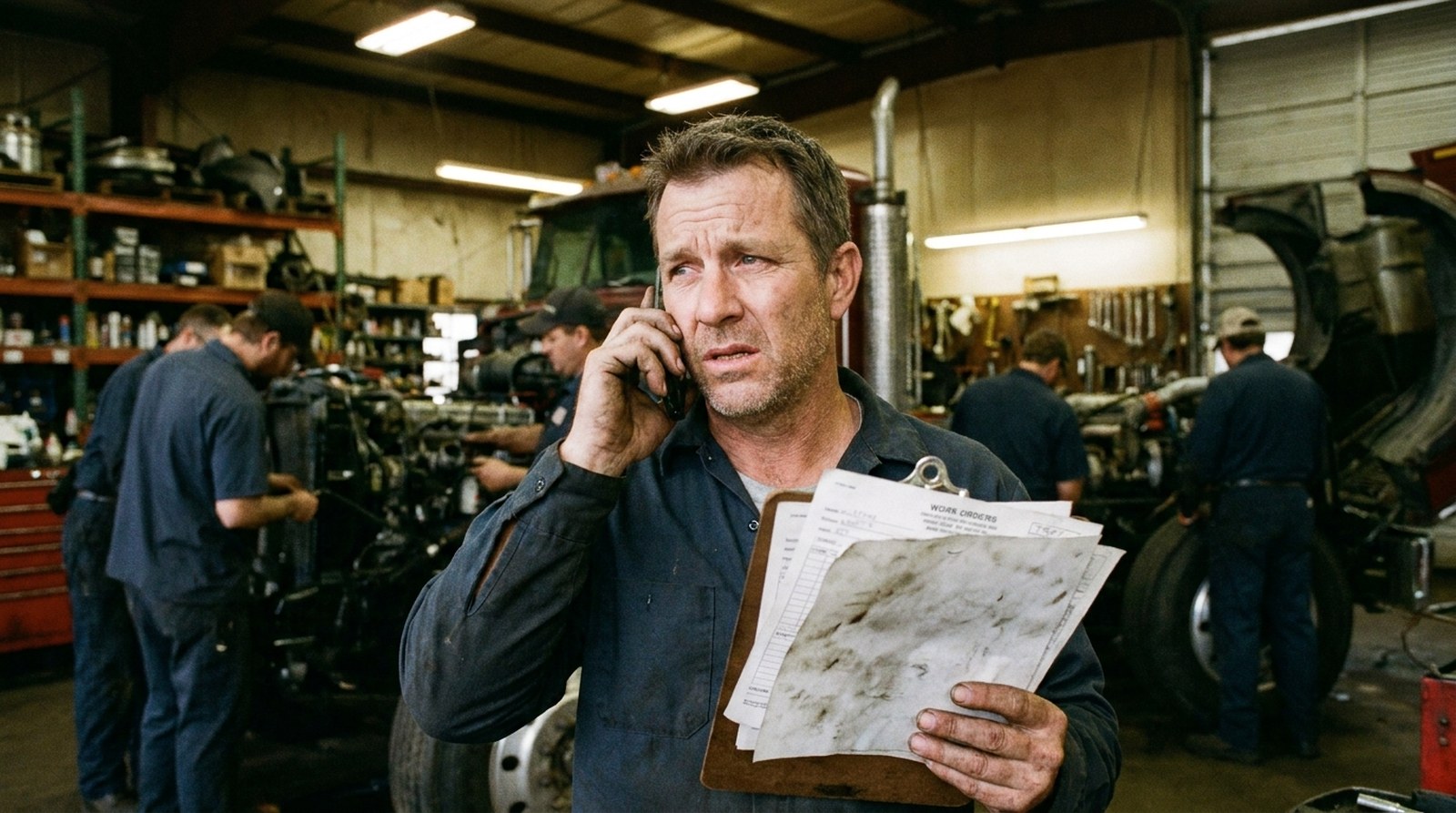
The Cost of Doing Nothing
Ignoring these cracks has real consequences:
- Lost jobs from a single missed call.
- Lost contracts when dispatch frustrates a fleet.
- Lost techs who walk away from the chaos.
- Lost time and energy chasing paperwork.
This isn't just about growth—it's about survival.
Quick Fixes vs. Real Solutions
Many shop owners patch with shortcuts:
- Splitting after-hours calls among techs.
- Letting dispatchers draft invoices.
- Batching billing on Fridays.
These stopgaps work for a month and then collapse.
The shops that scale choose real solutions:
- Same-day invoicing instead of weekly batching.
- A central job board instead of a whiteboard.
- Written SOPs instead of "just ask Mike."
- Call visibility and scoring to catch dispatcher problems before customers leave.
The Tipping Point Test
The question isn't whether you'll hit a breaking point—it's when. The difference between scaling smoothly and burning out comes down to whether your systems are ready.
That's why MetaFleet is built for exactly this moment. When you go from 2 techs to 4, the system scales with you—keeping jobs visible, dispatch smart, and invoicing same-day so you don't lose what you just built.
Ready to scale past tech #4 without the chaos?
Book a call and we'll walk your current setup, show you where the cracks are, and build a rollout plan before they turn into breaks.
That's why we built the Tech Capacity Scorecard. In just five minutes, it shows you where your shop is strong, where you're leaking time and money, and whether you're ready for tech #4.
Take the Tech Capacity Scorecard today and see how your shop stacks up.
Take the TestRelated Articles
Why Tribal Knowledge Is Killing Your Shop's Growth (And How to Fix It)
Most diesel shops hit the wall around tech number three or four. Verbal updates and sticky notes don't scale. Here are three systems that create clarity without killing the operator-led culture.

Emergency Diesel Repair Dispatch: The Complete Guide
Breakdowns don't happen 9 to 5. Here's how to run emergency and roadside diesel dispatch from first ring to paid invoice - answering live, triaging fast, sending the right tech - and the numbers (downtime cost, first-time fix, response time) that tell you how you're really doing.